Showing posts with label author. Show all posts

Friday, December 2, 2016

8 Ways to Break Writer's Block

You jump on the creative train and the passengers are missing. 
You check the first train car: conductor gone.

There's no one to help you but you. Happens to the new and veteran of the writing realm. What do you do? You don't know so here's what I do. It may not work for you. These are just ideas to get it going again.


REBEL

1. Start on something you are not supposed to be doing. Or you are supposed to be doing but didn't want to do in the first place.

I'm very serious. When I worked, my creativity bugged the crap out of me when I was actually working on work, instead of working on drawing or writing. I can't explain it. Ask a neuropsychologist. Ask my neuroscience professor. She was amazing. It's like when you're not thinking about it, stressing that part of the brain, your brain can relax. It's like your brain had to go pee, but you're staring at it, waiting for it to happen. The brain can't go when you're creepy. So do something else and it'll be able to relieve itself.


READ


1) Re-read your work! Get back into your story! Haven't written for a while? You might have to read your entire story to get the feel for it again. Sit down, pen 'n' paper close to you, and just read it. Don't focus on the errors, focus on the tone and plot. You need to understand your protagonist again and you need to see where you might have been going with the book.

If I'm stuck, I read the chapters that are huge in plot info. Like a plan that the characters are about to go through or a secret that hasn't been spilled yet. Jot it down so you remember when you start writing again. Need posties? Use them instead. Super Sticky Post-It notes are amazing to keep on the wall by your writing space.

2) Read someone else's work. I got the Longmire series handy because I love his active voice and simple sentences. I get into the mind of Sheriff Longmire and it's peaceful how he is attentive to detail but oblivious to people's romantic interest in him. He remembers what people wear or how they talk. Craig Johnson, author, keeps you in the mind of the sheriff by focusing his perspective in places with sharp prose. They're light reads for a reason. He's very good at getting the point across without sacrificing setting or inner drama. (You might have read elsewhere I love Longmire...it's not even my genre to love, yet here I am.)

WRITE


1) I know this seems backwards, it's not. Write something you know you can keep writing about. Doesn't have to be your story. Example: I have three projects, two are fan fictions because they're fun, the other is my potential money-maker so that remains top priority. Go through your fun writings, ones you don't have to worry about getting wrong or beating a deadline, or whatever your case is. Write your fan fic, or write something that excites you, or just write about your feelings. Maybe dive into writing about your character's feelings. Free flow writing can really help break that block.

2) Write about writer's block. You'll be researching all the ways to break it, then you write about it, and you end up with an entire blog. (Oh look at that. I just did what I said. Ha!)

EXERCISE

1) 30 minutes of working out helps blood flow and boosts your body and mind. Endorphins, anyone? Don't go killin' yourself on some hardcore workout though. You need you to be able to sit at your writing nest for the next couple hours. DO NOT EXHAUST YOURSELF.

2) Download the Charity Miles app on your phone then go for a walk. Walking is a nice way of getting fresh air and experiencing outside. You get to smell and feel the environment around you. Your brain will go elsewhere and maybe that triggers something to write about. Have Notes or a voice recorder app handy.

I learned a few days ago that Don Brown takes workout breaks to keep the blood flowing. He'll do push-ups by his desk, so if this is my advice to you, and a renowned author also does it, then it must be good!

DRIVE


1) Drive to a destination. I once drove to a different place to buy food because I wanted to experience a different ambiance. I went to an asian market and type in Notes everything I smelled and felt. These are things books can do but movies can't: get you to feel what the character feels. Some books are straight up cinematics. You don't want that. So get all your senses in gear and drive somewhere. Did you know walking downtown New York City smells like warm, poopy diapers? Those big crates you walk over on the sidewalk wafts up the sewage and that's what I smell. It's pleasant to me, but could be nasty to someone else. Write everything down!

2) Drive without a destination. Scenic routes and a quiet drive might help you unwind. I don't recommend the freeway; go some place where you don't have to look every three seconds to see if someone's gonna cut you off. Go rural if you can. Once you know you can't worry about anything, your mind opens up, and thinks freely.

MUSIC

1) Make a playlist for your book or character. Got specific scenes that go with some of the music? Play it. Over and over, if you want to. There's a rhythm for songs, there's rhythm for chapters.

2) Listen to your favorite tracks, instrumental or vocal. If it's your favorite, your brain will love it.

EAT


1) Caffeine. One cup of coffee is good for a mental boost.

http://qz.com/358139/how-to-hack-your-coffee-habit-to-improve-your-focus-and-decrease-anxiety/

2) Nutritious meals that incorporate carbs, protein, and vegetables in one fill your stomach, and helps you focus. Starving yourself starves the brain and makes you cranky. Don't do that. Eat something.

And if all else fails...

SLEEP


1) Chances are you're overloaded, burned out, or whatever you wanna call it. Take a day off and sleep on it. You can choose to just take a nap, or just not work on your book at all that day, take the time to relax, forget about the book, and then go to bed your normal time. Then in the morning (or when ever you write), you're refreshed, and good to go!

If this list isn't exactly what you're looking for, I suggest this: 6 Hacks to Motivate Writing.

Tell me what works for you even if it's not on this list. Have you found something that helps you break writer's block? I wanna know about it!


Monday, September 19, 2016

Write Drunk, Edit Sober - What Does It Really Mean?


Although Ernest Hemingway NEVER said this, I wanna live by it. And I'm two shots in. I will not get drunk, but loose. I don't condone nor condemn drinking. In moderation it helps even perfectionists like me to ease out of being such a frissy-frossy. (See? It's working. I'm making sh*t up.) 
There are studies suggesting one or two beers helps INSPIRE ideas, while coffee helps you FOCUS on these ideas. I'm in a chapter that needs to hurry up and finish so I can go back to action scenes, my easiest and more fun writing bits. Hence, the shots to help me unwind, and not fuss over how perfect the scene is. It's a complicated dialogue scene. Lots of information. Lots of stuff I need to just throw out there so when I go Revision mode, I can figure it out then. No biggie. 
Don't worry about your first draft. It's rough because it's for YOU. It's to tell you the story, then you can revise and figure out how it tells others the story. 


Keep writing!


What does "Write Drunk" mean and how did the false quote become so popular?

You could take it literally or less than but the quote simplifies the writer's take on finishing the book first. When you go through the rough draft, you must keep writing, and not care about all the errors, and potential hiccups in your research. Your usual inhibitions are put away when drunk so try to put them away when you're writing. 

What does "Edit Sober" mean?

Without mercy, revise, revise, revise. Remember how you tried correcting your mistakes when you realized what you did while you were drunk? Yeah. You're fixing those. The bad texts, the vocal regrets...you're editing those out of your story. But only Edit Sober when you're DONE WITH YOUR BOOK. Not when you're done with the chapter. Unless you're a blogger. Then yes...please...edit your blog post with murderous enthusiasm.

Wednesday, March 16, 2016

Finding Your Story's Pace in 5 Steps

One of my big struggles is pace. This is posted more for both of us. I'm a facilitator, not a teacher. You can teach me too through your comments and there are lots of past comments that I loved reading! Thank you very much for your insight! We're all in this together. When we love what we do and are achieving our dreams, we build each other up, we don't tear down. Virtual hugs all around!

Now that gushy-mush is outta the way, time for some skill development!


How to Find your Pace

1. Find the Tone
2. Know the Why
3. Understand your characters
4. Know their goals
5. Pick the Environment


1. FIND THE TONE

At Hawaiicon, I went to a writer's workshop taught by two very successful screenwriters, Brad Bell and Jane Espenson. I asked them about pace. They loved that question and so did the rest of the group. Lots of writers in this shop were clearly not amateurs, though not published, so it was refreshing to be with fellow writers who ranged from not-quite-beginner to published-near-expert. Bell's and Espenson's answer: TONE. When writing your story, you need to find the tone you're writing first. Are you the poetic sort that wants to take your readers barefoot through a peaceful stream, or throw on combat boots, and jump into a war? Finding the tone FIRST helps you avoid pacing problems.

Think about what you want the writing to feel like. Do you want it to be active and musical, action-like, or do you want it to be thoughtful and emotional? And most importantly, once you find the tone, stay consistent! Let the tone sink in; you will adapt and writing with the tone will come naturally.

2. KNOW THE WHY

What are you conveying? What do you want the reader to figure out? What do you want them to see? Knowing the why is figuring out your characters. Why did they say that? Why did they do that? What are we learning from this character? Everything must have meaning and each meaningful moment--be it dialogue, action, or introspection--must get the character closer to the solving the problem, the end-goal.

3. UNDERSTAND YOUR CHARACTERS

Some characters will make the tone for you, which makes the pace, which makes the story. What does your character do and think? Do they jump to conclusions, jump without thinking, shoot and ask later? Are they quiet, seemingly anti-social, but paying attention to every detail? Where does your perspective character come from? Do they get lost in thought sometimes? Figure out your characters so they can help you with the tone and pace.

4. KNOW THEIR GOALS

This means EVERYONE'S goals. And if these goals are on a time limit, you can bet millions your pace will be fast, and you'll need to shorten those sentences, and make every word precise and blunt. Your characters won't have time to "get lost in their mind"--they might have quick flashbacks to a painful memory, but never "the leaves ease from a summer green to a burning red" blah blah blah. But if you're not constrained by time, you can put some nice breaks between action scenes; you'll have more slow intervals for character development between achieving goals. Unless character development for the character is the goal....like romance, or some teen stories. Depends on your characters' goals, of course. 

5. PICK THE ENVIRONMENT

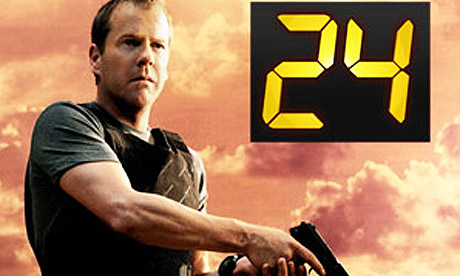
Genre. So you found what you're trying to convey, you know your characters and goals, now you must know where you're throwing them. Drop them in a fast-paced environment with fast-paced goals and you have something like the show 24. Drop them in a small town where not a lot seems to go on and you have something like Longmire. If you created your own world, it's all on your preference and the region of that world. 

Now it's your job to assess your pace.

TONE
WHY
CHARACTER
GOALS
ENVIRONMENT

Study your favorite books. It's better with books so you can see the words used to quicken or shorten the pace. But if you need fast advice, you can always check on different series genres. In shows, you can feel it more because you're watching it happen. 

(Tip from Bell and Espenson: TURN ON CAPTIONS.

When studying TV shows or movies (they're screenwriters they do this often) they always have the captions on so they can see the flow of dialogue and the choice words. To them, dialogue is music. It's their entire world or their scripts are nothing. But for novels, dialogue might be half of what is required, if at all.)

Polar Examples:


Longmire - pace of the story is through the eyes of the protagonist and based on his personality and his environment. When you go through the story, you're riding a trotting horse down a long trail. You take in the mountains, the vast farm fields, and trees in the distance. You listen to the nearby stream, you see what kind of rocks line the road as you make your way to your cabin, where a warm fire awaits, with a wife or husband making a cup of hot tea for you.


24 - based on high-stress situations and how fast character needs to achieve goals, and how much faster antagonist wants to achieve their goals. You're in a car and you speed by all the little details because they're insignificant to the problems you must deal with right now. You have to get to the end or you'll die, or your family will die, or America will go explode-y. 

Any other examples that lie in between these two opposites you can figure out yourself. You're smart. 

Go forth and multiply (your word count)!

= = = = = = =

Are there ways you figure out your pace? Is there a strategy you use?  Comment below! If this helped you in any way, please share it on Pinterest or where ever your mind desires!

Friday, February 26, 2016

5 Points God Helps With Writing

The Bible is the most printed book in all of existence. And while lots of writers do not believe in God, they should look into why it's the most popular book and how. Supposedly there have been six billion Bibles printed, but nothing is exact. Still. Wow. It'd be a good idea to have a chat with the best-selling author of the world. Yes?


1. HOPE & LOVE
2. UNORIGINALITY
3. DISCOVERY
4. PACE
5. PURPOSE

= = = = = = =

1. Hope & Love

ROMANS 15:4 -- For whatever was written in former days was written for our instruction, that through endurance and through the encouragement of the Scriptures we might have hope.

Readers look for specific things in stories. Let's look at the best-sellers to find out what they are. Take the Top 10. (I hate citing Wiki, but this isn't an official document, so go with it.) 


  • The Bible, ~5 to 6 billion


  • Quotations from Chairman Mao Zedong, Mao Zedong, 900 million


  • The Qur'an, 800 million


  • Xinhua Zidian, 400 million


  • Book of Common Prayer, Thomas Cranmer, unknown


  • Pilgrim's Progress, John Bunyan, unknown


  • Foxe's Book of Martyrs, John Foxe, unknown


  • Book of Mormon, Joseph Smith, Jr., 120 million


  • Harry Potter Book 1, J.K. Rowling, 107 million


  • And Then There Were None, Agatha Christie, 100 million


  • I'm not an expert in most of these books but I have read the Bible, the Qur'an, and definitely Harry Potter. These books contain instruction, hope, an escape, or a peace to accept ourselves as we are. Some have all, some have one. Of course there are lots of other factors that make these best sellers but to the people who actually WANT to read them, they seek hope; they seek love.

    What you write should have something like this. Give your readers hope. An underdog is always a fan favorite. (David and Goliath. Katniss and Snow. Potter and Voldemort.) Give your readers love. (God the Father and the World. Lily and Severus.) Give your readers instruction. Give them a moral to a story. Give them mistakes the protagonist made and have the character and reader learn from them.

    Faith, Hope, and Love are gifts from God. But the greatest is Love. Hold true to this when working on your story.

    2. Unoriginality

    ECCLESIASTES 1:9 -- What has been will be again, what has been done will be done again; there is nothing new under the sun.

    It's okay to be unoriginal. No matter what you write about, someone, or even God already created something similar. The key is to add at least one more attribute that makes it your own. Since I will never give Twilight the time of day, let's go to K. M. Weiland. She inspired me to write this blog, so I should promote her work. In her blog The 4 Tweaks to Writing Truly Original Stories and Characters she mentions her own designs for her genre. She researched the fantasy genre and updated her knowledge on it. She learned about the cliches and tweaked them for her own book. Her dragon became something else. Her races became something more. 

    My own example is dragon-related. As Tolkien said, a book isn't worth reading unless there's a dragon, so I made my own race of them. Sort of. People love dragons. It's okay to have them in your work. People love vampires, zombies, and fairies. So does God. He loves the work you do and loves watching you use your borrowed talents. Like a parent smitten with scribbles on a page. God will put it up on a big, heavenly refrigerator, and boast about how awesome your work is. (Not that your work is a bunch of scribbles...)

    One of my favorite chapters in the Bible is the Valley of Dry Bones. Anything that shows God being dark and creepy to others is absolutely beautiful to me. He wills the bones to come to life. They shake and mount into skeletons, then all the ooey gooey insides form, then the skin, then the breath. Such poetry in the image. When I read this I knew I wrote my first book for a reason bigger than my own. Though zombies and grim reapers are "nothing new under the sun" I made death my own theme. And I knew, just because it's creepy and dark, God loves it. I made it through His help. 

    3. Discovery

    MATTHEW 7:8 -- For everyone who asks receives, and the one who seeks finds, and to the one who knocks it will be opened.

    Our finished works are never what we thought they'd be in the beginning. You have your outline, your characters, your theme, and then you start to write. It's a journey all its own. A character's motivations take them in ways we didn't want them to, but they have to, because that's their way. God may have purpose for Jonah, but Jonah didn't listen. What happens when characters don't listen to the author? We give them trials, consequences of their actions that add more dynamics to the story. We somehow knew something would happen but not precisely what. 

    Ever paint? You have an idea of what you're going to make, and you try to make it exactly what's in your head, but it turns out completely different. Yet it might be better than what you thought first. There's concept then production. Happens all the time. That's a good thing. It's fun. It breaks the system and adds vibrance from both sides: behind the keyboard and in the story.

    God wants us to discover ourselves, more importantly, he wants us to discover life, and as the result, the beauty of his works. Nothing new under the sun? Cuz he made it. But that doesn't mean we've found everything he's made yet. So go out and find it. Go out and find him. Discovery is a relationship between creator and creation. In such a vast world of imagination, anything is possible except the possibility of nothing.


    4. Pace

    JAMES 1:3 -- For you know that the testing of your faith produces steadfastness.

    You attend your first date. You sit down with him or her and you say, "Hi," then they say "Hi, my name is blah-blah-blah, I've lived for blah-blah in blah-blah, I do this, this, this, this, and that, that, that, and a little of that, but lots of this. I used to be a murderer/dealer/detective/king/hitman/insert crazy occupation here, until this one other crazy thing happened, so I took up this other thing, and fought with this person crazier than me, but I'm really excited to meet you because I've done all these background checks on you, and you just seem like such an amazing person, and I want to protect you and love you for the rest of our lives, and maybe have children. And a dog. I like dogs." And he or she keeps talking and you run. You run far. That's the sane thing to do, right?

    The Bible is layers upon layers of information and we only read one piece and somehow we don't see the same verse we read in a different light until months, maybe years down the road, when we read it again, and it means something else. Or we're first learning about God and only read the nice, happy parts, like the miracles.

    "Hi. I'm Jesus. I do miracles."

    Then you warm up to him, thinking this is an all right guy. Until he gets angry. He flips merchant tables in the air and yells at people to leave the church. 

    What just happened? He's such a chill dude! Why is he acting that way?

    You read more. You find out why. One character trait is revealed, and then another, and then another.

    Then you want to read the history of this world. This Jesus was planned long before his birth. What? Yeah. How is that possible?

    So you read. And the layers keep getting read until you're so involved with the book you can't leave. 

    God teaches you pace. He teaches you not to make your readers run away by overloading them with information. He shows you, he doesn't tell you. He shows you active and passive voice. I'm certain God invented the term "info-dump." And even though the Bible is dense with information, he understands that we will become overwhelmed with some pages, so those verses you read years before that made no sense might make sense now. You never know. But that's a faith thing. Not a pace thing. Another topic for another blogger.

    5. Purpose

    You want to dream big but you have little faith in yourself let alone God. We have to believe there is something more to us than mediocrity. Through hope, love, and discovery, we find our own greatness within what we find already great. It does not mean any of us are the same. It does not mean by others' greatness we are washed out. We are a gallery and the artist. We just need to try and with trying, we find purpose.

    ROMANS 5:3-4 -- More than that, we rejoice in our sufferings, knowing that suffering produces endurance, and endurance produces character, and character produces hope...

    2 TIMOTHY 3:16 -- All scripture is given by inspiration of God, and is profitable for doctrine, for reproof, for correction, for instruction in righteousness.

    God used many people throughout many time periods to create the Bible. And crazy as it is, all the books put together check out. Things that are said in the Old Testament about an angel coming to Earth to save people is written in the New Testament as Jesus. Writers for Old Testament had no clue about Jesus. Never saw him, never existed when He was born. Yet it's there, connecting chapter after chapter with this prophecy that a symbol of unconditional love will arrive to save the people God loves. God used all these writers for a greater purpose that they could not see, but God could. God, the master writer. These writers are one page in a book; one thread in the tapestry. What writers do is very important. Writers spread messages through the painting of words. Know that what you choose to write is important. You have a purpose. You are inspired for a reason and those reasons may be selfish, selfless, or all over the place. But there is always one master writer guiding those reasons for his ultimate reason. 

    = = = = = = =

    I am in no way an expert of the Bible. I struggled with this because how do I talk about something that's perfectly made? I can't do it justice. I can only hope as I did my best. Some of the verses have nothing to do with the context I've posted. 

    (1 JOHN 4:1-3 -- Beloved, do not believe every spirit, but test the spirits to see whether they are from God, for many false prophets have gone out into the world. By this you know the Spirit of God: every spirit that confesses that Jesus Christ has come in the flesh is from God, and every spirit that does not confess Jesus is not from God. This is the spirit of the antichrist, which you heard was coming and now is in the world already.)

    But if this post made you read the descriptive text of each verse, then that means you don't take my words at face value, and that's a double win for God and myself. I know you will do anything to seek the truth and God gets some one-on-one time with you. If you're just here for the inspiration that you are something special, and what you're doing is greater than yourself, that's what this post intends.

    You are unique.

    You have purpose.

    You can do anything.

    So...

    DREAM BIG.

    He is not finished with you yet.

    PHILIPPIANS 1:6.


    Tuesday, November 10, 2015

    5 Ways to Reward Yourself During NaNoWriMo

    First thing I hear about rewarding yourself includes food. Buy an extra sugary coffee, go splurge on ice cream. I treat all my reward systems like I treat my fitness one: the healthy, non-detrimental way. Certain foods may not have the same effect on you as it does me, but if I carb load or have one too many sugar yums I am in a coma or just the laziest person ever. If I start writing again after I rewarded myself with sugary snack, I will fall asleep with my hands on the keyboard, and nothing further accomplished.

    How should we reward ourselves? Rewards should improve our state of mind, alleviate stress, and I know you're thinking "sugar alleviates stress and improves my state of mind", or "beer alleviates..." "chocolate improves..." and I say, you will use it as a crutch and it will break, and drown you. I know. I've been there. Using food as a reward leads to more food and more food and--oh look at that, I will have gained back every pound I ever fought hard to get rid of since I started my weight loss journey back in 2011. Yes, people. I'm bringing this up because I used to be fat and I will not be fat again. I hated how I felt and food reward systems are dumb. All food reward systems will lead me back to how I was. If you are working tirelessly to lose weight, maintain it, or just be healthy--maybe you're starting your nutritional awareness and want to find other means of rewards--this is the list to inspire you to not pick up that donut because you just sat there for hours upon hours and met your word count goals.

    1. New Book or Journal
    2. Staycation
    3. Venture Out
    4. Exploit Capitalism
    5. Hire Loved One as Servant for a Day

    1. New Book or Journal 

    Every writer loves paper. Every writer should be reading books to absorb the finished product of other writers, either as entertainment, or to be inspired, or as personal development. I call it personal development because, truly, I don't like reading. Why do I not like reading? Because I love reading and I am constantly bombarded by crappy books, or at least crappy starts. (I will prey forever on the gnawed bones of Veronica Roth for betraying her fanbase.) What makes me giddy is paper. I think you love it too. Don't hide it. Embrace it. Have you reached 5k words in a day? Go out and grab new materials for your writing wantiez and needz. It's okay if you buy another pack of colored pens even though your drawer is stuffed full of them from years of gathering.
    I am the Squirrel of Pens. Hear me squeak.

    Squeaker squeak squeaken.

    2. Staycation

    Yesterday I thought this was a great idea. The sun shined, I was done writing by 1000, I got my workout done by 1200, and all I wanted to do was try, and grab those rays with Vitamin D before another rain cloud hit.

     (Hawaii in fall is all rain and wind or solid overcast. It's been rare to see the sun for longer than half a day. Like right now...it's pouring out. It could be all sun northshore, but I don't know. Never trust Hawaii weather. It's the mistress of deception. lol...anyway.)

    I took the rest of my day as a sign to unwind. I fed my child and I and, while he played, I lounged in the backyard, and read. Personal development and Vitamin D. Spf 8 so I can stay out longer and I got to live in another writer's world for hours. I sharpened my most important writing tool and got great nutritional value out of the elusive sun. Win-Win (that's Franklin Covey, btw.). 

    Take the time to enjoy your home. You don't have to read. Maybe you're sick of reading and just want to play video games. That's cool too. But stay on schedule. Don't tune out the world for too long or you'll wonder what happened to the years of your life.


    3. Venture Out

    Got family? Take them with you. Go to the beach, a bounce house, or a park. Is it raining? Good. Splash in the puddles. Be a kid again. Enjoy life. Enjoy the oxygen. This one isn't about going to the movies or staying indoors. If you're writing a book that involves the environment, get in the environment! Remember the smells and the feels. Remember what triggers certain thoughts. Don't write it down! This is to live in the moment with yourself or with kids or with your lover. I got a friend who just took her Honeymoon over to Kauai. She's venturing out to Haleakala Crater, and hiking the Na Pali coast, and she just took a helo to see the stuff her feet will miss. A gorgeous place to be (another place where you cannot trust the weather). You can even play a game. Become one of your characters and respond to the world as they would. Did they take a lunch break? What did they order? Have they even seen this century before? That should be even funner. Oh yes. I said funner.

    Enjoying the Outdoors now?

    4. Exploit Capitalism

    You knew this was coming. I don't like to shop unless I know what I'm looking for and then my mind goes into different trails of importance and I remember things I needed to get, so I end up shopping longer. But this is where I need you to focus. I'll try to focus too. FOCUS! Okay. Buy ONE thing that is a luxury item that does not count towards your writing. It can have writing inspiration stuff on it, if you want. But I want you to steer away from buying binders or paper. Omit tools or personal development. Got it? Make it count!

    • Shoes
    • Clothes
    • Jewelry
    • Accessories
    • Cosmetics (oh you know this includes nail polish! Eeeee!)
    • Lotion or other Hygiene Luxury Products
    • Candles
    • Phone case
    • Framed Print
    • Video Game
    • DVD/Blu-Ray/3D
    • Recreational Item

    What did I miss? Most of these shouldn't blow a budget if you have one. Just count it under luxury (Dave Ramsey can help you, here, or I can give you a quick rundown--message me) and enjoy the purchase. No buyer's remorse, please. One item. Keep it simple. Cash or Debit. And know that it was purchased from your hard work!

    5. Hire Loved One as Servant for the Day

    You have told them you're doing NaNoWriMo. You told them it's going to be hard and they should forgive you for any snappy comebacks or lashing-outs you might make. You have done well. Very well. So well in fact you can ask them to pamper you. Do so respectively. You're not a queen or king, but if you say "hey, may I take a break for the day, and you help me relax?" I guarantee they will do their best to make this happen. If not, reconsider who your loved ones are. Unless they're sick or just got off work from 24-hour duty, request it. My husband tells me every day he's super proud of me for doing this. He watches me type insane amounts of words. Insane in my book is over 2,000, because life as a mom does not usually let me write that much in a day. Yet I am performing mommy writer miracles. I ask him to take care of the chores for the day and he has no problem. 

    If you can find a day for your loved one to do this for you, so you don't have to stress about the house being a mess, or you being a total dirt bag and not bathing for two days (accused and guilty), make it happen. Have them run you a bath. While you're soaking, they'll do the dishes, or make dinner. If you're a working family, do this over the weekend. If they must treasure their days off, then just have them do a chore or two that you would usually do. We're a military family so all off-days are precious. But my hubby can deal with cleaning the kitchen so it's not dragging through my mind when I also need that precious off-time.

    NaNoWriMo?
    Good heavens, Master Wayne.
    I do think you're in over your head.

    After you're done with NaNo, maybe you can pamper them back. It's a balanced relationship. It's supposed to be anyway. Both of you serve each other. Both of you love each other. Let them show you. And you show them.

    Don't pamper me, sir.


    = = = = = = = = = = = =

    Avoid the junk food. It hinders your production and leaves your body feeling icky. It might release those endorphins for a time, but you'll be hurting.

    You are worth being healthy. You are worth taking care of yourself. Don't let yourself or anyone else tell you different. Find the healthy rewards. You'll look back on it later and be thankful you did.

    One last thing: don't reward yourself for every little thing.

    Make a challenging goal, set it, and when you reach it, choose your reward. Is it to break your word count of the day from 2,000 to 5,000? Or maybe 750 to 1,500? Is it to reach the NaNoWriMo badges, like 10k or 25k? Make the goal short-term and when the long-term goal is achieved, it's a whole new sense of accomplishment that may be a reward in itself.

    I know when I finished my first novel, I was on top of the world, and was so excited about the second, that I just ran right into outlining the second.

    My rewards for finishing the overall goal were: (1) calling my parents late night, waking them up, and regaling them about my hard work; (2) posting photos of the final word count (120k+) and a happy selfie to smear in any haters' faces that were stalking me; and (3) cuddling with my son, knowing I just achieved one of my lifelong dreams, and just basking in the afterglow of hard work, determination, and consistency.

    You can do this. If my once-procrastinating butt can do it, you can too.

    You are worth it.

    Tuesday, October 20, 2015

    Why You Should Work In Scrivener

    Why should you have Scrivener? 
    Are you a plotter? A planner? Someone who needs to see the entire book? Maybe you care about the pace and need to see the spaces of your chapters. Do you want to keep all your work in one place without a mess?

    My reason? It's awesome. 
    Not to sound shallow, I shall explain. I write using note cards. Oh yes. Very messy. But fun, kinesthetically pleasing, and visually-stimulating. I move the cards around the table. I pick colors at random to keep my brain from washing out. 


    I'm not getting paid for this. 
    Maybe I should. 
    I'm saying this because it has saved me tons of time organizing my book. 

    Check out this website: Literature and Latte. 
    Download Scrivener. Do it. Do it now.

    After you get through and open up Scrivener, take a look around!

    Starting off
    Chapters/Scenes are like note cards.
    Revision Mode! It's like Beast Mode for writers!

    Character template is customizable.
    Handy dandy Compile means it'll put it into manuscript format for you.
    I used to write in Pages. My first book was "posties" on a wall. Don't believe me? Ask my family. My poor, poor family and the giant eyesore of creativity on the entire living room wall. We lived in an apartment at the time. I needed the huge visual to see exactly where the scenes were placed, where I should have filled in the holes of the story, and what I should have taken away. Then I pulled the posties off the wall and wrote them in the computer. Then started on the story.

    My first book; my first pickle out of the jar. It was a pain. I devoted my time and tried to get in three hours every day, but I had a lot of stuff going on at the time. I didn't make my personal deadline, but I had gone farther than I ever did in my life. I finished the book after my last move. Whew!

    Learning from all the turmoil of writing and organizing, I found note cards are the best for me. Then I discovered there are writing programs that allow you to switch around your chapters if you want. My friend and parents' neighbor told me what he uses, but when I couldn't get it for my computer, I needed to find something else. Found Scrivener. Haven't been happier (well...at least not since I got out of the Navy).

    Still skeptical? It's worth every penny. Here's a video from L&L. They pronounce it "Scrivenah" cuz you know...Brits.


    Saturday, October 3, 2015

    5 Must-Dos for Creating Believable Characters

    She came to you in a dream, at the dinner table, in the shower. What did she tell you? Did she speak at all? Did her looks explain everything?

    The majority of writers understand they cannot completely control their characters. Why? When you create them they become their own person. The writer is just there to report the journey through the conflicts they made. 

    (If you need help with conflicts, start here: Conflict and Character.)

    I've read from several reference books on how I go about creating characters. It's not so much that they help me come up with one, they help me dimensionalize (oh yes, new word) them into helping me create plot. Once you understand your characters it's easier to make the plot-plot-plotting as you type-type-type your pages. Your characters are the ones that move plot as they deal with the conflicts you've put in their way. Does that make sense? Comment if it does or doesn't.

    To figure out your character the best way is something we all know and love, but somehow we get the descriptors prioritized differently, perhaps wrongly. What do I mean: the color of your character's hair does not matter when it comes to the reader (unless it's purple, or it's an indicator into something else in the story, or both). The reader cares about caring: the heart, the mind, the soul. Create your character from the inside-out, and let the outside reflect inside. 


    Designing Your Character

    1. Establish Goals and Motivations
    2. Prioritize Traits
    3. Believe The Lie
    4. Cue their "Aha" Moment
    5. Flesh Out the Face (and body...and hair)


    Here is my character template sheet I customized on Scrivener. If you don't have this application, I wish I could throw it into your computer right now, so you could get to work on it right away. But I can only send you this handy link from Literature & Latte. (It's a free trial; please take advantage! I adore Scrivener. It makes outlining and note-keeping so much easier. I'm an index-card kinda gal and this app really works for me. )


    BRIE'S BODACIOUS CHARACTER TEMPLATE:


    Look at all that craziness. Okay. It's not totally crazy. Actually makes some sense. Are you ready for the explanations? Here we go:


  • Establish Goals and Motivations

  • This is foremost because this is your plot-driver. Your character is nothing without desire, and your book is plotless if the character isn't wanting enough to be motivated. Establish a concrete goal and figure out why they are motivated to achieve it. 

    A motivation might be an over-protective family and the goal might be freedom to be their own person. 

    I have a character who comes from an abusive household. She wants to be independent and do her own thing but her family restricts her. The motivation might also be the conflict. It depends and that's another subject. Focus!

  • Prioritize Traits

  • You don't want an info-dump to make the reader groan and toss your book aside (or over the fence...cough). Put your character in pieces throughout your story. What trait do you want to show first? Choose wisely. The first trait is the one that'll stick to them the entire book. Like a first impression. This trait will be in their first scene. Are they a womanizer? Lazy? Hot-headed? Family-oriented? You choose. And then choose another. Remember Shrek? Your characters are onions. Make them sweet, sharp, or purple (purple poppin' everywhere today!), but peel the layers one by one, and give your reader a taste. Just a taste.

  • Believe The Lie

  • The Lie is their belief. What do they strongly believe in? What are they convinced about that is their truth? 

    Possible Lies: 
    • all women are manipulative See-You-Next-Tuesdays
    • You can only rely on yourself
    • money brings happiness
    • people are too stupid to live independently
    • killing murderers is not murder, it's justice
    K.M. Weiland wrote an excellent post on Believing the Lie and it's where I got all the questions for it: The Lie Your Character Believes

  • Cue their "Aha" Moment

  • Characters will grow. They will change. Their belief system may be shattered. An "aha" is the moment of realization. Their Lie will be put in the spotlight and crushed before the character's eyes. Truth rises from The Lie's remains and the character sees everything, from their first scene up to the "Aha" moment. What has changed? Why? How? If your character has no "aha" moment, there is no growth, and the reader will be left empty, and your book flying over their fence.

  • Flesh Out the Face (and body...and hair)

  • I said the outside should reflect the inside. Now is the time to look at their personality through their goals and motivators, their traits, and beliefs, and consider their physical appearance. A lot of factors come into play here: their location, origin, discipline, vocation, positive or negative traits, finances, etc..

    You're not going to have a soldier with long hair and a beard (unless they're special ops) but maybe they have a tattoo that indicates something more. Or a woman who is very uptight and doesn't have a single wrinkle in her wardrobe. Maybe you have a rebel teen who can't afford a professional haircut, so they cut and dye their own hair against their parent's wishes.

    Physical descriptions are lesser priority than what will help move your story. There are a couple exceptions that I use, but they don't overrule the goals and motivations which push the characters through conflict.

    Ultimately, it's up to you. I have given you my template in hopes of inspiring you to build your characters with depth.

    My character sheet is from months of adding and subtracting what I need to make it work for me. As you can see, I have "Food" and "Song" as a helper.

    I'm a former chef who worked in the Navy for eight years. The culinary world is a part of me and I know how it feeds into people's lives (you see what I did there?). Favorite food might not be priority, but it gives me perspective on my character. Kinda like going out on a date with them outside the book and just seeing them as a person. That's this blog, by the way: Dating Your Characters.  Their food doesn't even have to show up in the book; it's just something to help dimensionalize them.

    Just like the Song, which is my interpretation of their theme. When I need some motivation to write and need to get into a character's head, I have a playlist. But their theme song generalizes that playlist. For instance, my boy Caelum's song is "King Me" by Lamb of God. I listen to it if I need to and feel the anger, the frustration, the driving factor of him. That's why it's in the template. Add Song to your template, if it helps you.

    What would you add to your template? Would you take away anything? Please comment below and tell me if this helped or didn't help. I'd love to hear from you.

    I'm also on Facebook if you wanna stalk me there. 
    Say Hi!

    Hi!

    Thursday, October 1, 2015

    Conflict and Character


    Apologies if my posts for this week and next seem distracted. I have good reason: my husband returned from deployment! Yay! We've missed him fiercely, especially our little monster. Happy to be under the same roof again.

    We're Whole Again
    As a military family, we are bombarded with obstacles. We signed up to serve our country (yes, I served for a while, but got out when we had our son) and face conflict only 1% of this nation will ever experience. Those conflicts are why I love fantasy genres. Anything to escape our reality is the best story, as long as it is, really, the best. I want a book that entertains and steers my mind from current events, the real world. I want conflict that I won't deal with if I was at sea or at home. I want an escape.

    But I also want to relate to the characters. Conflict with unappealing characters means I close that book, either putting it down, or throwing it across the room. Maybe I won't even touch it at all...(cough) Twilight.

    I mean no one is going to care about my husband working in the Navy if they don't understand why he puts up with the deployments all the time. There's conflict and then there's character. It's characters that drive the story. Conflict only propels them to reveal who they really are.

    One reason I started writing is because I got sick of people eating up these awful books that have the weakest female characters in the world. They're not role models and they sicken me. They get published and I can see why: the conflict is believable in its genre, but the characters are lacking for some reason. Maybe it's just me, but I don't find boring personalities entertaining. They're...boring. Or annoying. This usually happens when their motivations are lackadaisy.

    So how do you get out of that rut? I have some characters that I debate on allowing their existence. But I set them aside because I know they're not ready to tell me who they really are. Or I have characters that I never knew existed and there they are. My prot goes into another world and I'm just as surprised as she is to find out all the different people that live there. And it works for me. If I'm not intrigued, the reader isn't intrigued. It's a journey I love to go on despite my need-for-control quirks. Because if the story isn't driven by the characters you know and not know, then the story isn't believable. The conflict is there but the characters are who go through the conflicts. If you force them to go through the motions to solve situations, readers will know.

    I can go into great detail on creating characters that aren't boring but that's very basic and I think new writers have more potential for nailing this part than they do balancing out conflict with character. So let's focus on the balance.


    What is CONFLICT? Anything that hinders your character to satisfy her desires. Much different from a delay or incident, like a gun just out of reach when a victim falls while the attacker is closing in. The conflict is the attacker, not the delay, which is the gun inches from fingers.

    Conflict will exist when your character has a goal. Make this goal clear to your reader.

    For example: (Goal) Svetlana wants to be her own person. (Conflict) Her father, Ruslan, forces her to join the military.

    The conflict will elevate when both try their hardest to achieve their goals. What makes this more dynamic is understanding the inner conflict that goes with the external. Sveta's external is her dad, and her internal would be her rebellious nature, or maybe her insecurity to stand up to him.

    And goals will change because the person changes. And that's fine. What is important is that the reader must care about the character before the conflict matters. Most readers are character-driven. Humans are social creatures and naturally seek connections with others. If they don't care, they won't read. The conflict will bring the story to life by the character's motivation to reach their goals, and the reactions brought on by the conflict. Your story's core is emotion. Why is the character pushing through to the end? Why should we care?  Answer these for yourself. Ensure your story has characters we'll care about.

    In the book Writing with Emotion, Tension, & Conflict, Cheryl St.John writes this principle: "What the character is doing is not as important as why he is doing it. What's happening is not as important as how he reacts to what's happening."

    I highly recommend this book to study her take on conflict, although I disagree with her when she says that being angry and bickering "is acceptable for antagonists because it characterizes them, but your protagonists must have more depth." She talks about conflict not being the foot-stomping moments. What I disagree with is prots being more in depth than antagonists. The ant and the prot should be equally-motivated, if not more.

    Antagonists are the ones with the most depth, I have read. They are the characters I love because they have relatable reasons to do what they do. You see? It's character-driven, not conflict. When the story has two characters with believable motivation to achieve their goals no matter what conflict, it makes for a more compelling read. When you adamantly know every character's motivations, you will soar through your writing. And St.John also explains this. And I agree with her. But let that antagonist shine.


    Find some writing exercises to help develop your conflict and understand your character's motivations. Choose your protagonist, and come up with one sentence to describe their goal. Is their goal based on the conflict or is it based on personal desires? Will their goal change throughout the story or remain the same?

    Do the same for your antagonist. Are they the conflict to the protagonist or is it something else? Will their goal change?

    How might each character's inner conflict fight their external conflict? Will they think one way and act another?

    Have fun this weekend! I'll be spending quality time with my sailor and catching up on some personal development. Later kiddos.