One of my big struggles is pace. This is posted more for both of us. I'm a facilitator, not a teacher. You can teach me too through your comments and there are lots of past comments that I loved reading! Thank you very much for your insight! We're all in this together. When we love what we do and are achieving our dreams, we build each other up, we don't tear down. Virtual hugs all around!
Now that gushy-mush is outta the way, time for some skill development!

Now that gushy-mush is outta the way, time for some skill development!

How to Find your Pace
1. Find the Tone
2. Know the Why
3. Understand your characters
4. Know their goals
5. Pick the Environment
1. FIND THE TONE
At Hawaiicon, I went to a writer's workshop taught by two very successful screenwriters, Brad Bell and Jane Espenson. I asked them about pace. They loved that question and so did the rest of the group. Lots of writers in this shop were clearly not amateurs, though not published, so it was refreshing to be with fellow writers who ranged from not-quite-beginner to published-near-expert. Bell's and Espenson's answer: TONE. When writing your story, you need to find the tone you're writing first. Are you the poetic sort that wants to take your readers barefoot through a peaceful stream, or throw on combat boots, and jump into a war? Finding the tone FIRST helps you avoid pacing problems.
Think about what you want the writing to feel like. Do you want it to be active and musical, action-like, or do you want it to be thoughtful and emotional? And most importantly, once you find the tone, stay consistent! Let the tone sink in; you will adapt and writing with the tone will come naturally.
2. KNOW THE WHY
What are you conveying? What do you want the reader to figure out? What do you want them to see? Knowing the why is figuring out your characters. Why did they say that? Why did they do that? What are we learning from this character? Everything must have meaning and each meaningful moment--be it dialogue, action, or introspection--must get the character closer to the solving the problem, the end-goal.
3. UNDERSTAND YOUR CHARACTERS
Some characters will make the tone for you, which makes the pace, which makes the story. What does your character do and think? Do they jump to conclusions, jump without thinking, shoot and ask later? Are they quiet, seemingly anti-social, but paying attention to every detail? Where does your perspective character come from? Do they get lost in thought sometimes? Figure out your characters so they can help you with the tone and pace.
4. KNOW THEIR GOALS
This means EVERYONE'S goals. And if these goals are on a time limit, you can bet millions your pace will be fast, and you'll need to shorten those sentences, and make every word precise and blunt. Your characters won't have time to "get lost in their mind"--they might have quick flashbacks to a painful memory, but never "the leaves ease from a summer green to a burning red" blah blah blah. But if you're not constrained by time, you can put some nice breaks between action scenes; you'll have more slow intervals for character development between achieving goals. Unless character development for the character is the goal....like romance, or some teen stories. Depends on your characters' goals, of course.
5. PICK THE ENVIRONMENT
Genre. So you found what you're trying to convey, you know your characters and goals, now you must know where you're throwing them. Drop them in a fast-paced environment with fast-paced goals and you have something like the show 24. Drop them in a small town where not a lot seems to go on and you have something like Longmire. If you created your own world, it's all on your preference and the region of that world.
Now it's your job to assess your pace.
TONE
WHY
CHARACTER
GOALS
ENVIRONMENT
Study your favorite books. It's better with books so you can see the words used to quicken or shorten the pace. But if you need fast advice, you can always check on different series genres. In shows, you can feel it more because you're watching it happen.
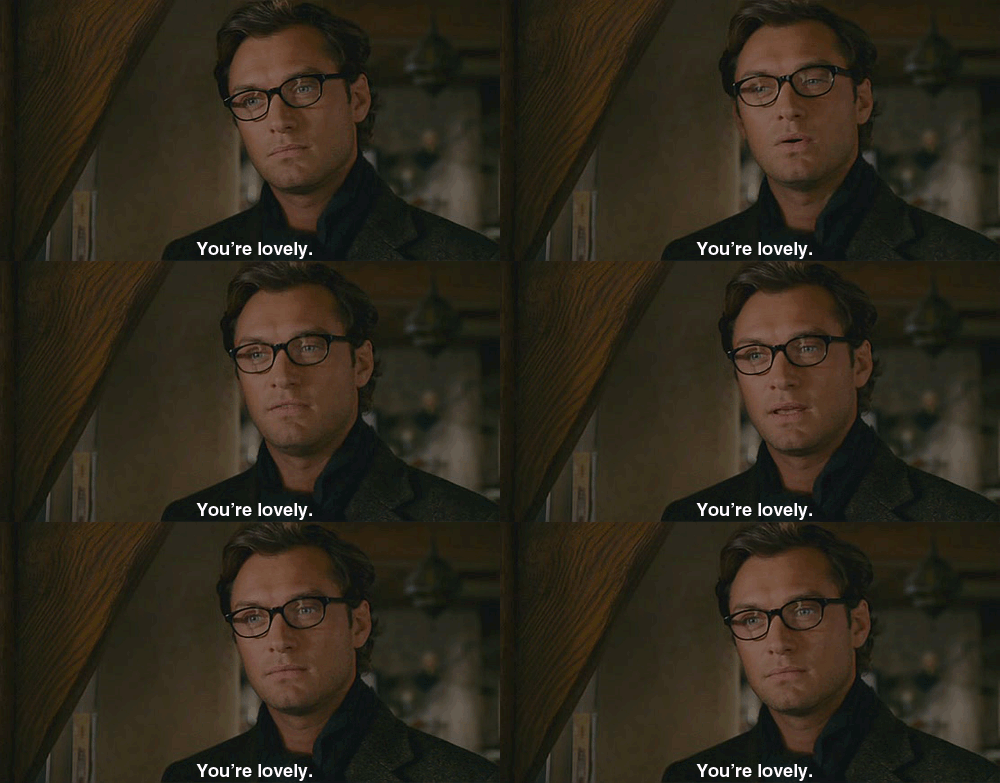
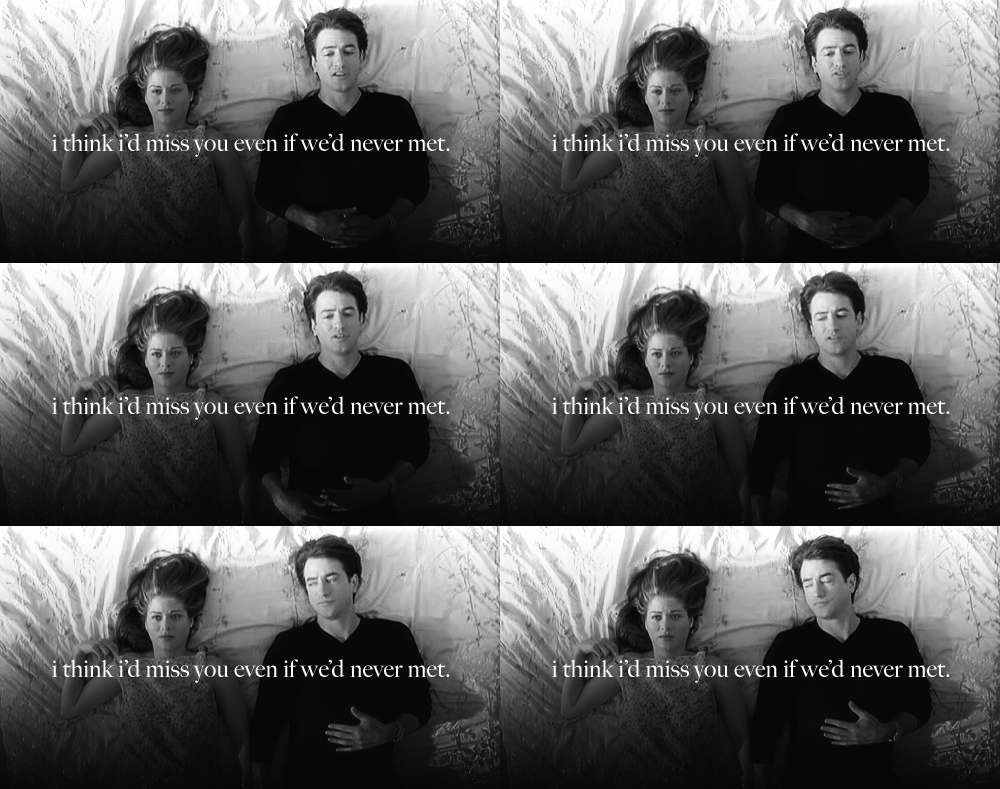
(Tip from Bell and Espenson: TURN ON CAPTIONS.
When studying TV shows or movies (they're screenwriters they do this often) they always have the captions on so they can see the flow of dialogue and the choice words. To them, dialogue is music. It's their entire world or their scripts are nothing. But for novels, dialogue might be half of what is required, if at all.)
Polar Examples:

1. FIND THE TONE
At Hawaiicon, I went to a writer's workshop taught by two very successful screenwriters, Brad Bell and Jane Espenson. I asked them about pace. They loved that question and so did the rest of the group. Lots of writers in this shop were clearly not amateurs, though not published, so it was refreshing to be with fellow writers who ranged from not-quite-beginner to published-near-expert. Bell's and Espenson's answer: TONE. When writing your story, you need to find the tone you're writing first. Are you the poetic sort that wants to take your readers barefoot through a peaceful stream, or throw on combat boots, and jump into a war? Finding the tone FIRST helps you avoid pacing problems.
Think about what you want the writing to feel like. Do you want it to be active and musical, action-like, or do you want it to be thoughtful and emotional? And most importantly, once you find the tone, stay consistent! Let the tone sink in; you will adapt and writing with the tone will come naturally.
2. KNOW THE WHY
What are you conveying? What do you want the reader to figure out? What do you want them to see? Knowing the why is figuring out your characters. Why did they say that? Why did they do that? What are we learning from this character? Everything must have meaning and each meaningful moment--be it dialogue, action, or introspection--must get the character closer to the solving the problem, the end-goal.
3. UNDERSTAND YOUR CHARACTERS
Some characters will make the tone for you, which makes the pace, which makes the story. What does your character do and think? Do they jump to conclusions, jump without thinking, shoot and ask later? Are they quiet, seemingly anti-social, but paying attention to every detail? Where does your perspective character come from? Do they get lost in thought sometimes? Figure out your characters so they can help you with the tone and pace.
4. KNOW THEIR GOALS
This means EVERYONE'S goals. And if these goals are on a time limit, you can bet millions your pace will be fast, and you'll need to shorten those sentences, and make every word precise and blunt. Your characters won't have time to "get lost in their mind"--they might have quick flashbacks to a painful memory, but never "the leaves ease from a summer green to a burning red" blah blah blah. But if you're not constrained by time, you can put some nice breaks between action scenes; you'll have more slow intervals for character development between achieving goals. Unless character development for the character is the goal....like romance, or some teen stories. Depends on your characters' goals, of course.
5. PICK THE ENVIRONMENT
Genre. So you found what you're trying to convey, you know your characters and goals, now you must know where you're throwing them. Drop them in a fast-paced environment with fast-paced goals and you have something like the show 24. Drop them in a small town where not a lot seems to go on and you have something like Longmire. If you created your own world, it's all on your preference and the region of that world.
Now it's your job to assess your pace.
TONE
WHY
CHARACTER
GOALS
ENVIRONMENT
Study your favorite books. It's better with books so you can see the words used to quicken or shorten the pace. But if you need fast advice, you can always check on different series genres. In shows, you can feel it more because you're watching it happen.
(Tip from Bell and Espenson: TURN ON CAPTIONS.
When studying TV shows or movies (they're screenwriters they do this often) they always have the captions on so they can see the flow of dialogue and the choice words. To them, dialogue is music. It's their entire world or their scripts are nothing. But for novels, dialogue might be half of what is required, if at all.)
Polar Examples:

Longmire - pace of the story is through the eyes of the protagonist and based on his personality and his environment. When you go through the story, you're riding a trotting horse down a long trail. You take in the mountains, the vast farm fields, and trees in the distance. You listen to the nearby stream, you see what kind of rocks line the road as you make your way to your cabin, where a warm fire awaits, with a wife or husband making a cup of hot tea for you.
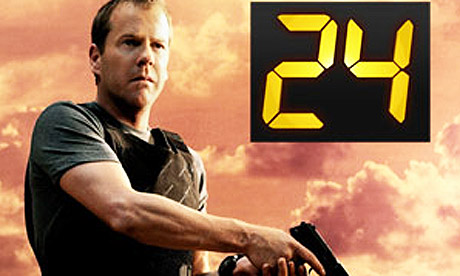
24 - based on high-stress situations and how fast character needs to achieve goals, and how much faster antagonist wants to achieve their goals. You're in a car and you speed by all the little details because they're insignificant to the problems you must deal with right now. You have to get to the end or you'll die, or your family will die, or America will go explode-y.
Any other examples that lie in between these two opposites you can figure out yourself. You're smart.
Go forth and multiply (your word count)!
= = = = = = =
Are there ways you figure out your pace? Is there a strategy you use? Comment below! If this helped you in any way, please share it on Pinterest or where ever your mind desires!
Any other examples that lie in between these two opposites you can figure out yourself. You're smart.
Go forth and multiply (your word count)!
= = = = = = =
Are there ways you figure out your pace? Is there a strategy you use? Comment below! If this helped you in any way, please share it on Pinterest or where ever your mind desires!